

What Makes a Good Unit?
A good unit has five key elements:
1. A good unit engages the teacher.
Teach what you know, teach what you love, and find a way to put a positive spin on what you are a required to teach.
2. A good unit allows the teacher to participate as a learner.
For example, writing with your students, reading along with them (you might discover something new), or doing some research to discover something new about an old topic. Also, open yourself to learning from your students. In a constructivist approach to learning, we create new knowledge each time we teach a topic, and I find myself learning more and more each year from my students.
3. A good unit meets students’ needs and/or sparks their curiosity.
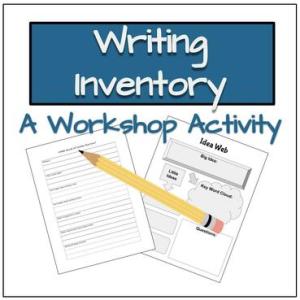
What helps drive this is a discovery approach to teaching and learning, as well allowing your students to have some autonomy in choosing topics and project types. Giving students a questionnaire or writing inventory can help you get to know your students; creating a classroom RPG or writing workshop can give your students more autonomy. Another approach is the differentiate your instruction by giving students choices of topics or methods for learning the same concepts and skills.
4. A good unit communicates clear goals and expectations.
Students respond well to teachers and curriculum which have a sense of direction and purpose, when activities align with the goals the teacher and the class, and when expectations are clear. Nothing is more frustrating to students than not knowing how to approach a project or why they are working on a particular task. Like adults, students do no enjoy doing busy work that seems meaningless. The goals and objectives should be shared with the students at the beginning of the unit, both orally (the teacher and the students can take turns reading these or read them together) and in print. A handout in their binder or classroom posters can help remind students of the goals and objectives of a particular project, but these should also be reviewed orally throughout the unit.
5. A good unit is organized and offers a wide variety of materials and methods.
Relying on a single book or textbook is boring for both the teacher and the students. If you are required to teach from a prescribed textbook or packaged curriculum, try to supplement with your favorite short stories, articles, essays, slide shows, music, video clips, and interactive activities.

 ELA Source
You must be logged in to post a comment.